Premium Turkish Baklava (Pistachio)

£19.99

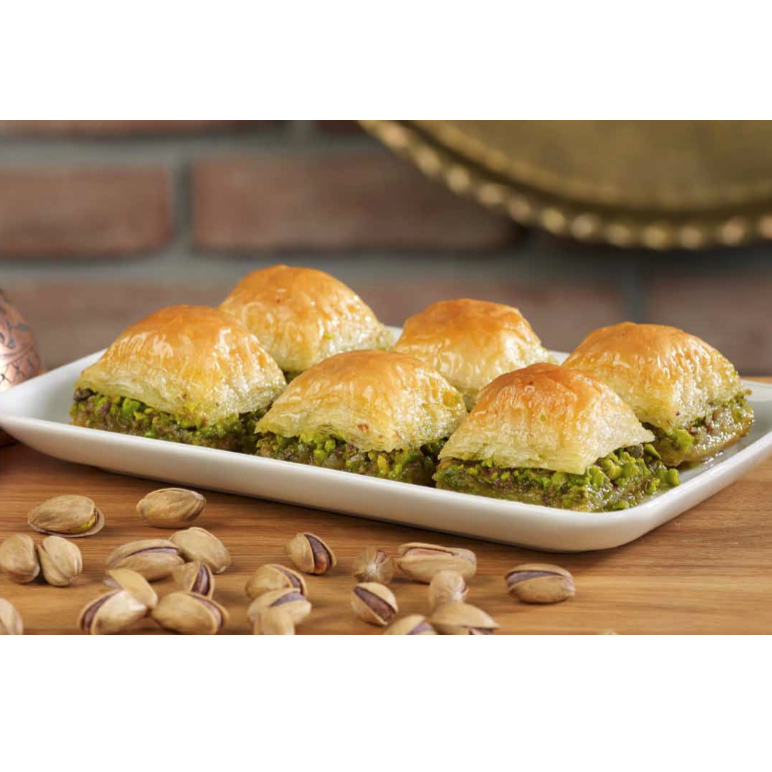
Freshly made Turkish pistachio baklava.

Halal Baklawa.

Baklava is a rich, sweet dessert pastry made of layers of filo filled with chopped nuts and sweetened and held together with syrup or honey.

Although the history of baklava is not well documented, its current form was probably developed in the imperial kitchens of the Topkapı Palace in Istanbul. The Sultan presented trays of baklava to the Janissaries every 15th of the month of Ramadan in a ceremonial procession called the Baklava Alayı.

There are three proposals for the pre-Ottoman roots of baklava: the Roman placenta cake, as developed through Byzantine cuisine, the Central Asian Turkic tradition of layered breads, or the Persian lauzinaq.

The oldest (2nd century BCE) recipe that resembles a similar dessert is the honey covered baked layered-dough dessert placenta of Roman times, which Patrick Faas identifies as the origin of baklava: "The Greeks and the Turks still argue over which dishes were originally Greek and which Turkish. Baklava, for example, is claimed by both countries. Greek and Turkish cuisine both built upon the cookery of the Byzantine Empire, which was a continuation of the cooking of the Roman Empire. Roman cuisine had borrowed a great deal from the ancient Greeks, but placenta (and hence baklava) had a Latin, not a Greek, origin—please note that the conservative, anti-Greek Cato left us this recipe."

Several sources state that this Roman dessert continued to evolve during the Byzantine (Eastern Roman) Empire into modern baklava. In antiquity the Greek word plakous (Greek: πλακοῦς) was also used for Latin placenta, and the American scholar Speros Vryonis describes one type of plakous, koptoplakous (Byzantine Greek: κοπτοπλακοῦς), as a "Byzantine favorite" and "the same as the Turkish baklava", as do other writers. Indeed, the Roman word placenta (Greek: πλατσέντα) is used today on the island of Lesbos in Greece to describe a baklava-type dessert of layered pastry leaves containing crushed nuts that is baked and then covered in honey. 


Fıstıklı Baklava

Read full description
Size

Shipping policy

Check delivery for your area London service and DHL delivery options available.
100% satisfaction guarantee

Not happy? Get a full refund, no questions asked.

Freshly made Turkish pistachio baklava.

Halal Baklawa.

Baklava is a rich, sweet dessert pastry made of layers of filo filled with chopped nuts and sweetened and held together with syrup or honey.

Although the history of baklava is not well documented, its current form was probably developed in the imperial kitchens of the Topkapı Palace in Istanbul. The Sultan presented trays of baklava to the Janissaries every 15th of the month of Ramadan in a ceremonial procession called the Baklava Alayı.

There are three proposals for the pre-Ottoman roots of baklava: the Roman placenta cake, as developed through Byzantine cuisine, the Central Asian Turkic tradition of layered breads, or the Persian lauzinaq.

The oldest (2nd century BCE) recipe that resembles a similar dessert is the honey covered baked layered-dough dessert placenta of Roman times, which Patrick Faas identifies as the origin of baklava: "The Greeks and the Turks still argue over which dishes were originally Greek and which Turkish. Baklava, for example, is claimed by both countries. Greek and Turkish cuisine both built upon the cookery of the Byzantine Empire, which was a continuation of the cooking of the Roman Empire. Roman cuisine had borrowed a great deal from the ancient Greeks, but placenta (and hence baklava) had a Latin, not a Greek, origin—please note that the conservative, anti-Greek Cato left us this recipe."

Several sources state that this Roman dessert continued to evolve during the Byzantine (Eastern Roman) Empire into modern baklava. In antiquity the Greek word plakous (Greek: πλακοῦς) was also used for Latin placenta, and the American scholar Speros Vryonis describes one type of plakous, koptoplakous (Byzantine Greek: κοπτοπλακοῦς), as a "Byzantine favorite" and "the same as the Turkish baklava", as do other writers. Indeed, the Roman word placenta (Greek: πλατσέντα) is used today on the island of Lesbos in Greece to describe a baklava-type dessert of layered pastry leaves containing crushed nuts that is baked and then covered in honey. 


Fıstıklı Baklava

Product Guide

  • What to expect

    Carefully selected products, packed and prepared for delivery with attention to freshness and quality.

  • Storage advice

    Check the product label for storage instructions. Keep chilled and frozen items refrigerated or frozen as soon as they arrive.

  • Enjoy at home

    From everyday essentials to Turkish favourites, enjoy your products whenever it suits your table.

  • Delivery & freshness

    London orders are delivered by Bonvila Service every Tuesday and Thursday, between 2pm and 6pm. Orders outside London are sent with DHL, with delivery times confirmed at checkout.

You might also like

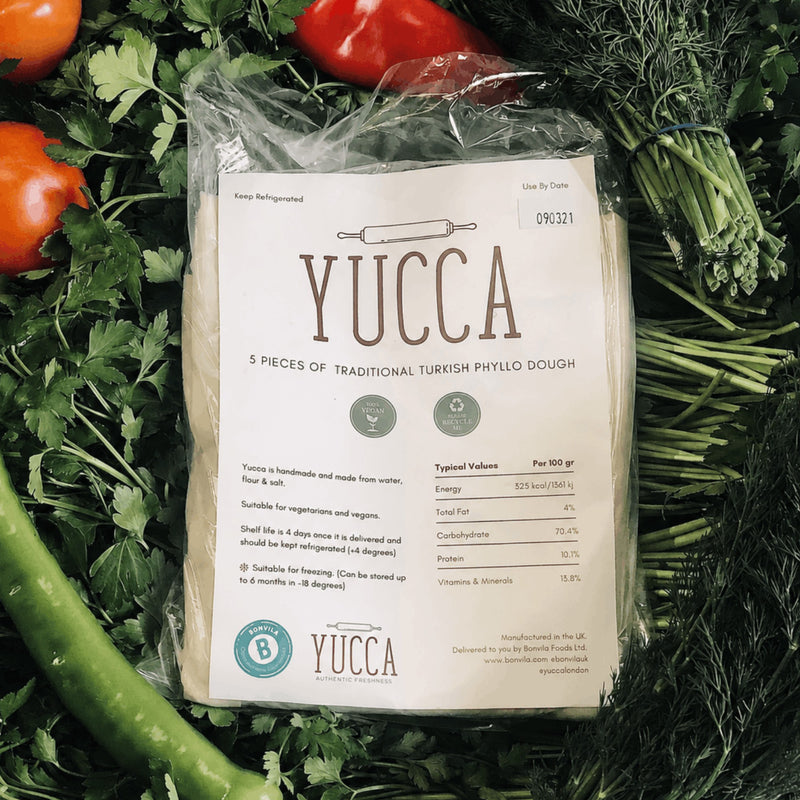
Yucca Premium Yufka Large 5pcs
7% OFF

Yucca Premium Yufka Large 5pcs

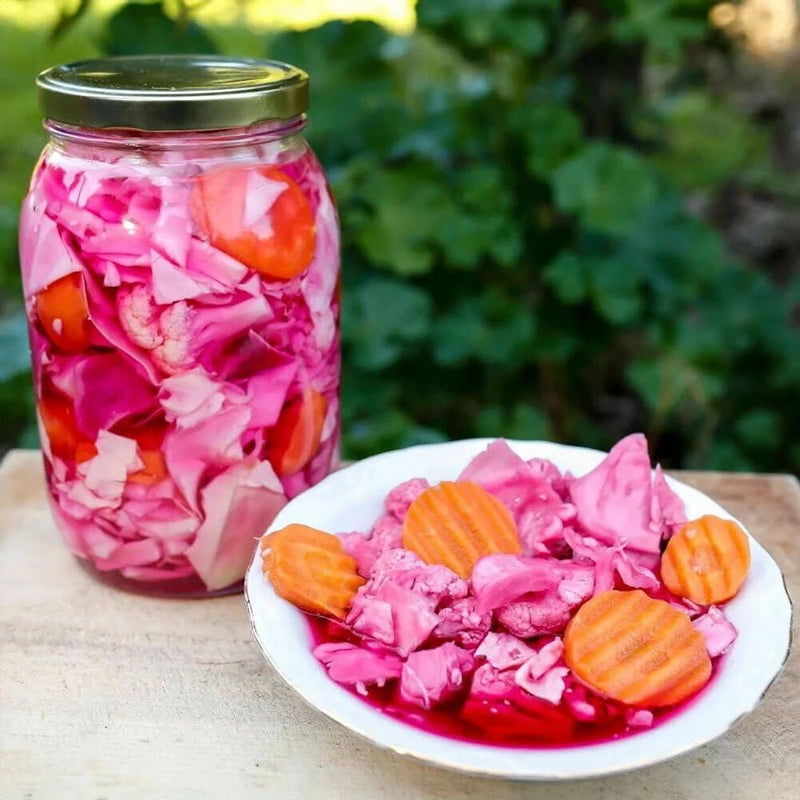
Homemade Tursu - Pickles

Bonvila Premium Yufka
12% OFF

Bonvila Premium Yufka

Trustpilot Reviews

Real reviews from real shoppers on Trustpilot.

4.6

530+ Verified Review